
About the Course
A Parenting Course for the AI Age
Taught by Dr. Pengkai Pan, accessible by phone. Turn the book's ideas into a few minutes of practical action each evening, guided by your child's needs.
8 weeks: Understand → Observe → Act
Jump to whatever you're stuck on
66 lessons · About 8 minutes each · Listen anytime on your phone Taught by Dr. Pengkai Pan · Companion book: MindDrive: Raising Children AI Cannot Replace (CITIC Press)
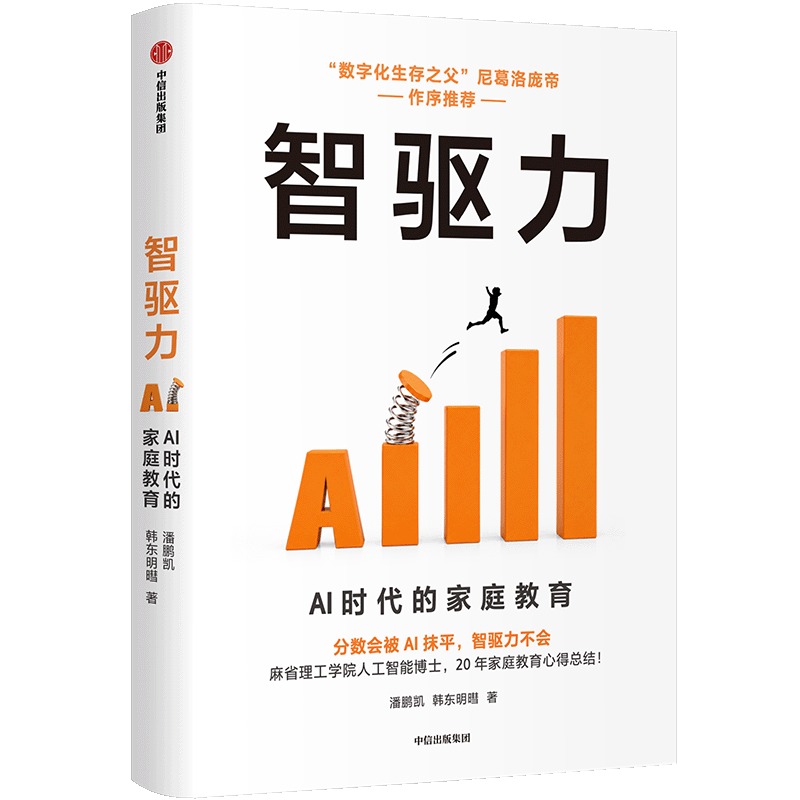
One lesson a night, about eight minutes each. Grow alongside your child through four actions: assess, adjust, persevere, and restart.
About the Course
Taught by Dr. Pengkai Pan, accessible by phone. Turn the book's ideas into a few minutes of practical action each evening, guided by your child's needs.
Who It Is For
For parents whose child is changing tracks or schools, or going through adolescence.
Know What Is Worth Doing
Learn to Change Course
Stay Steady Through Setbacks
Find a Way to Begin Again
↻ Restart, Then Reassess · Every Cycle Helps Your Child Grow
What You Will Learn
Understand adolescent changes and know when to step in.
Communicate effectively, using language your child can hear.
Agree on directions and actions together, while keeping decisions theirs.
How It Works
Each week: one lesson to understand, one demonstration, and one action. Complete the sequence in eight weeks.
How It Works
Find lessons by question: homework, phones, motivation, setbacks, or communication.
How Growth Happens
With each cycle of assessing, adjusting, persevering, and restarting, children grow as motivated, capable learners, and the parent's role evolves alongside them.
Level 1
The ability to self-motivate without pressure, supervision, or immediate reward. AI cannot provide this; it only widens the gap between children who have it and those who do not.
Level 2
The ability to work out what they do not yet know: assess, adjust, persevere, restart. This includes using AI effectively, where AI offers options and people make the decisions.
Level 3
Rather than designing the path for their child, parents help the child discover an inner spark and let it light the way. The shift is from controller to coach.

MIT PhD in AI · Founder, Apply7
The MIT Media Lab's first AI PhD from mainland China, advised by Nicholas Negroponte, and an early researcher in collaborative filtering. A serial entrepreneur who has founded seven companies, including Alo7 and Apply7, applying AI to education and the life sciences. A father of two, whose children feature in many of the book's stories.

Ed.M., Harvard Graduate School of Education Co-author, MindDrive
BA in Sociology, UC Berkeley, with teaching and curriculum experience across all age groups. Her research focuses on how AI affects learning, family structure, and educational inequality, and she has spoken at TEDx on education and development in the AI age. She contributed to every one of the book's 22 chapters.

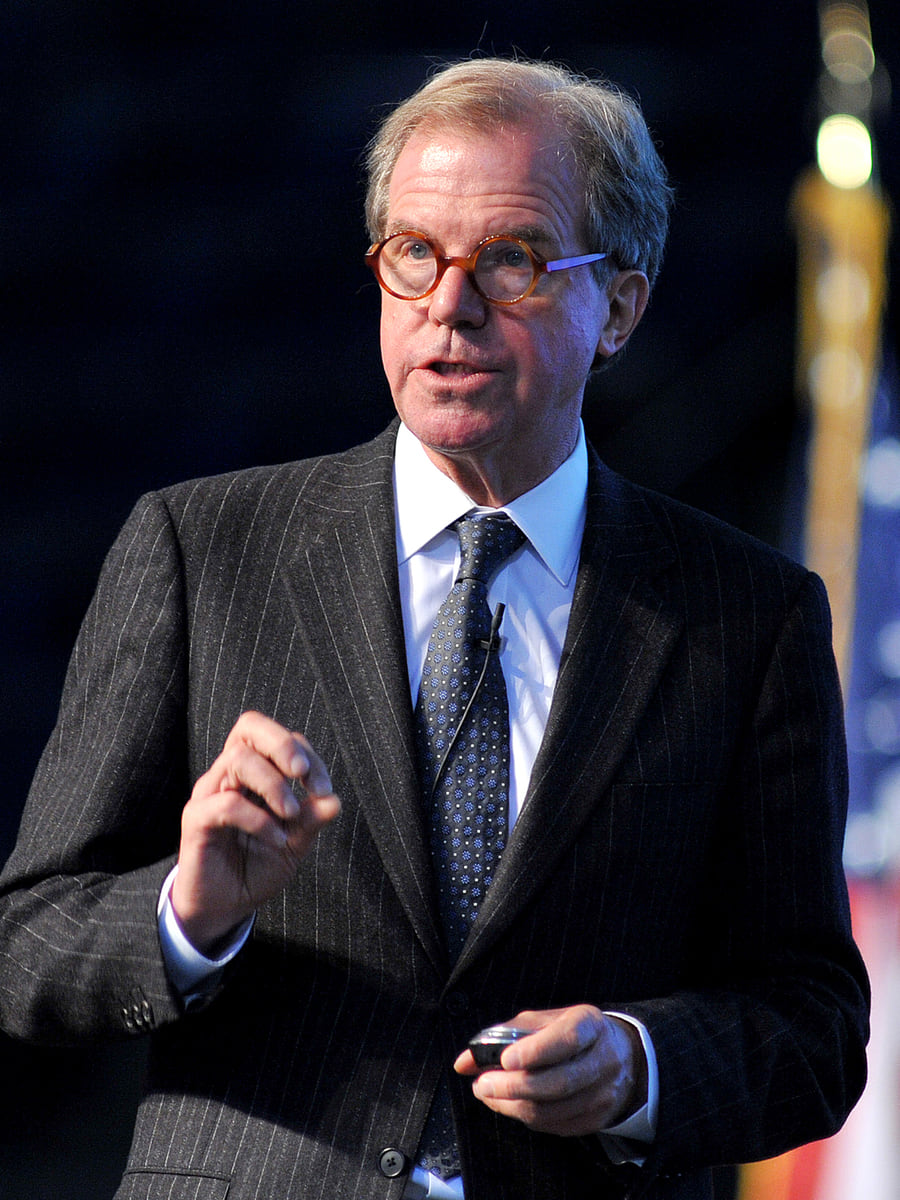
Foreword
Pengkai Pan has written an account of his own journey through the digital world—and, by extension, what millions of families should expect as they follow in his footsteps. This is a deeply personal story, told with such generosity that it is effortless to read, yet rich in meaning.
Love is always a better teacher than duty. Now that children can reach for knowledge that comes alive at their fingertips, a parent's role is to encourage exploration—and reward it.
Nicholas Negroponte
Co-founder, MIT Media Lab · Author of Being Digital July 7, 2026 · Los Angeles
Expert Interviews
In 2024, the authors returned to the MIT Media Lab with the questions explored in this book, interviewing eight professors and UCLA internet pioneer Leonard Kleinrock. Many of the book's perspectives on the future originate in their research.
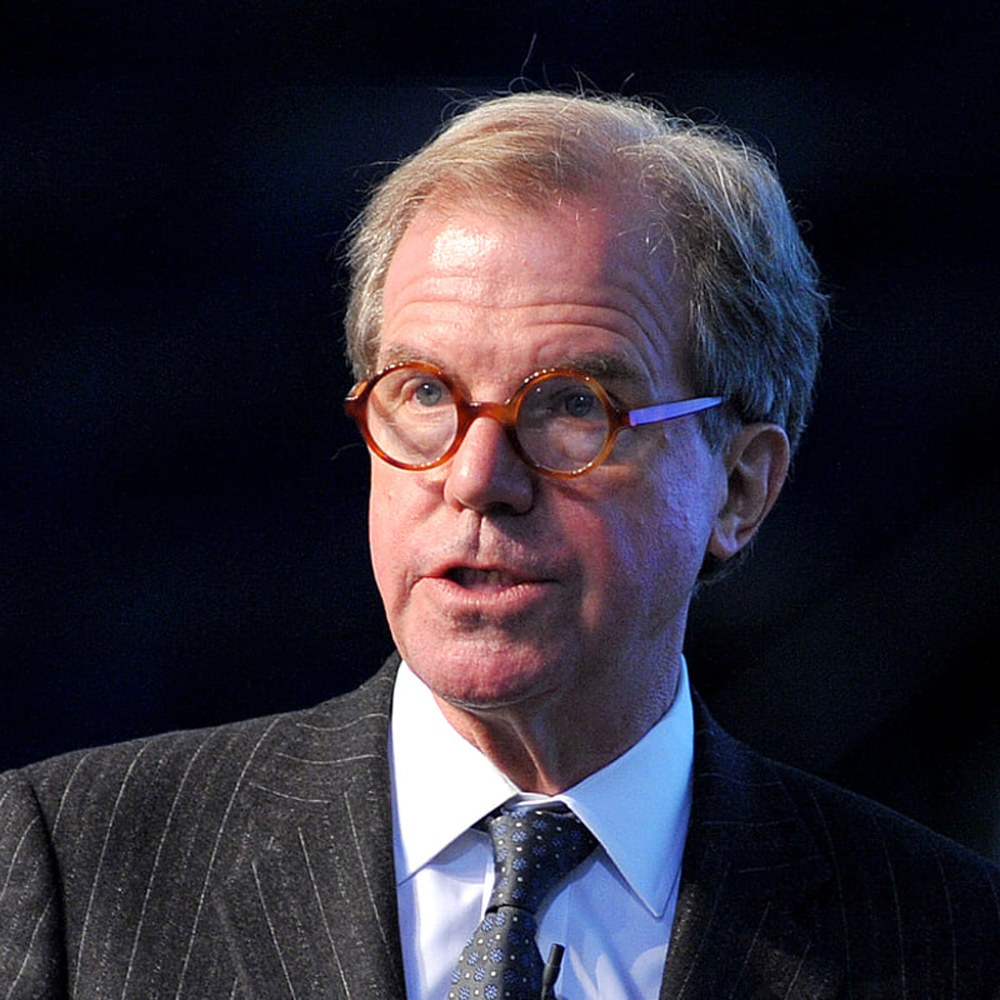
Co-founder and chair emeritus of the MIT Media Lab, which he established with Jerome Wiesner in 1985. Author of Being Digital, founder of One Laptop per Child, and founding columnist for Wired. Dr. Pengkai Pan's doctoral advisor and author of this book's foreword.
▶Video Coming Soon
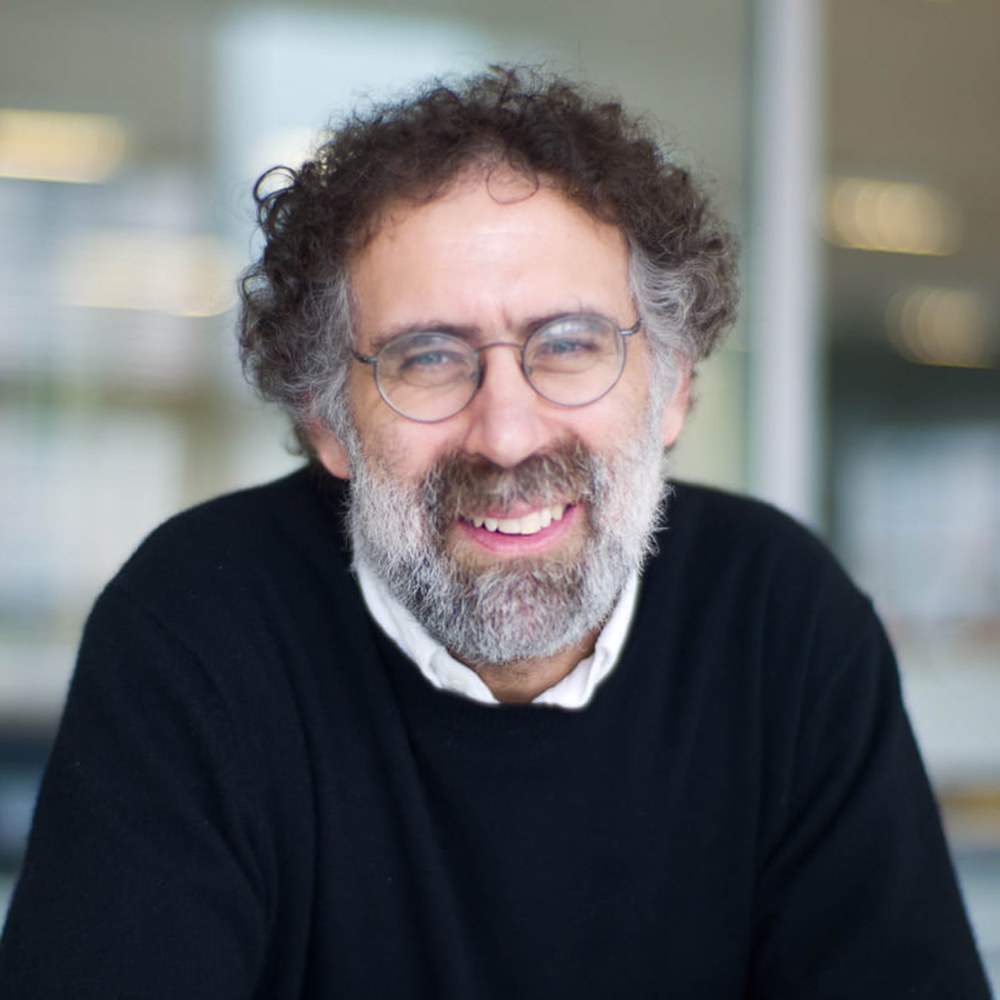
LEGO Papert Professor of Learning Research at the Media Lab and head of Lifelong Kindergarten. Creator of Scratch and its global creative community, co-founder of the Scratch Foundation, and author of Lifelong Kindergarten, which champions the 4 Ps: projects, passion, peers, and play.
▶Video Coming Soon
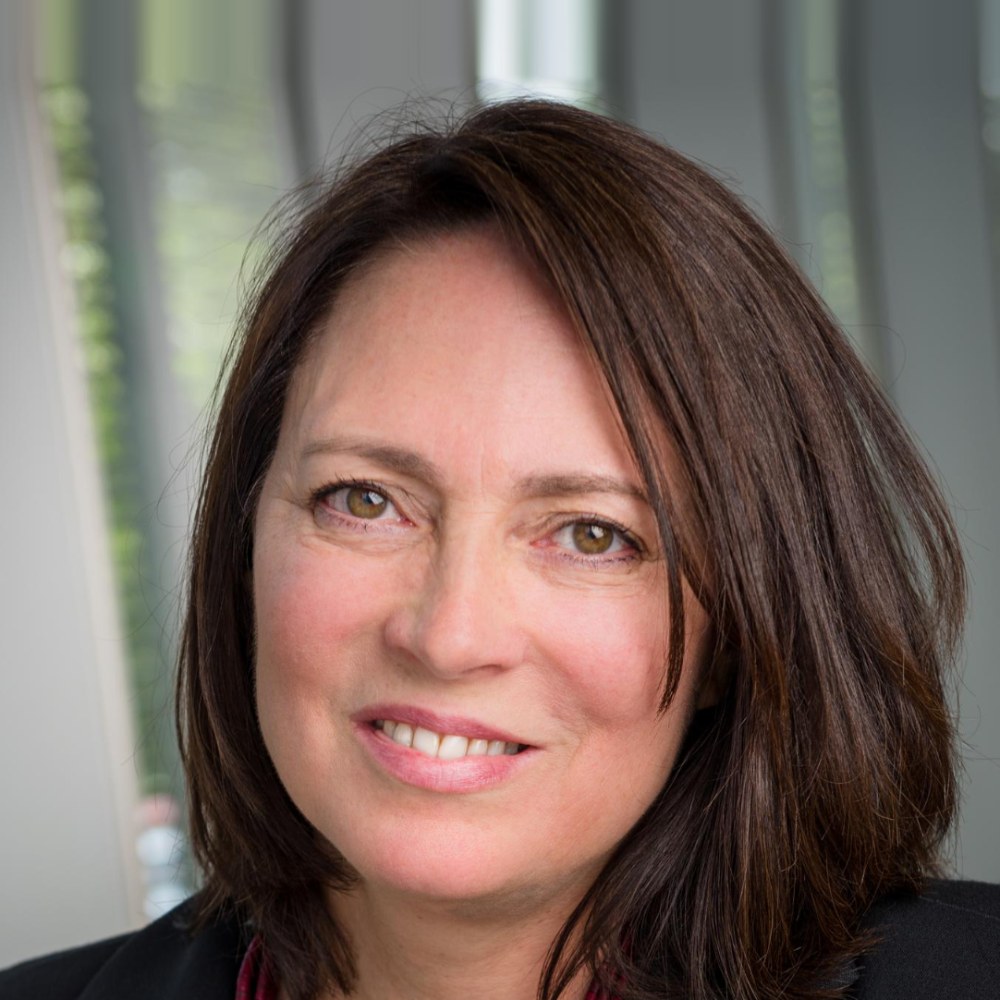
Media Lab professor and founder of Fluid Interfaces. Her research uses AI, sensors, and wearables to enhance memory, attention, learning, and decisions. A pioneer in software agents, she led the early Ringo / Firefly collaborative-filtering systems, later acquired by Microsoft. Her 2009 SixthSense TED talk reached a global audience.
▶Video Coming Soon

Distinguished Professor of Computer Science at UCLA, a pioneer of packet switching, queueing theory, and the internet's mathematical foundations. His lab sent ARPANET's first message to Stanford Research Institute on October 29, 1969. Recipient of the 2007 National Medal of Science.
▶Video Coming Soon

Alexander W. Dreyfoos Professor at the MIT Media Lab and head of Responsive Environments. Trained in physics, he moved from high-energy detectors to sensor networks, wearables, and pervasive sensing, exploring how responsive spaces change human experience. He also designs electronic music synthesizers.
▶Video Coming Soon

Muriel R. Cooper Professor of Music and Media and head of Opera of the Future. A composer and inventor of Hyperinstruments, with research behind Guitar Hero and Rock Band. Former Director of Musical Research at IRCAM in Paris; his opera Death and the Powers was a Pulitzer finalist. He explores how technology can help anyone make music.
▶Video Coming Soon
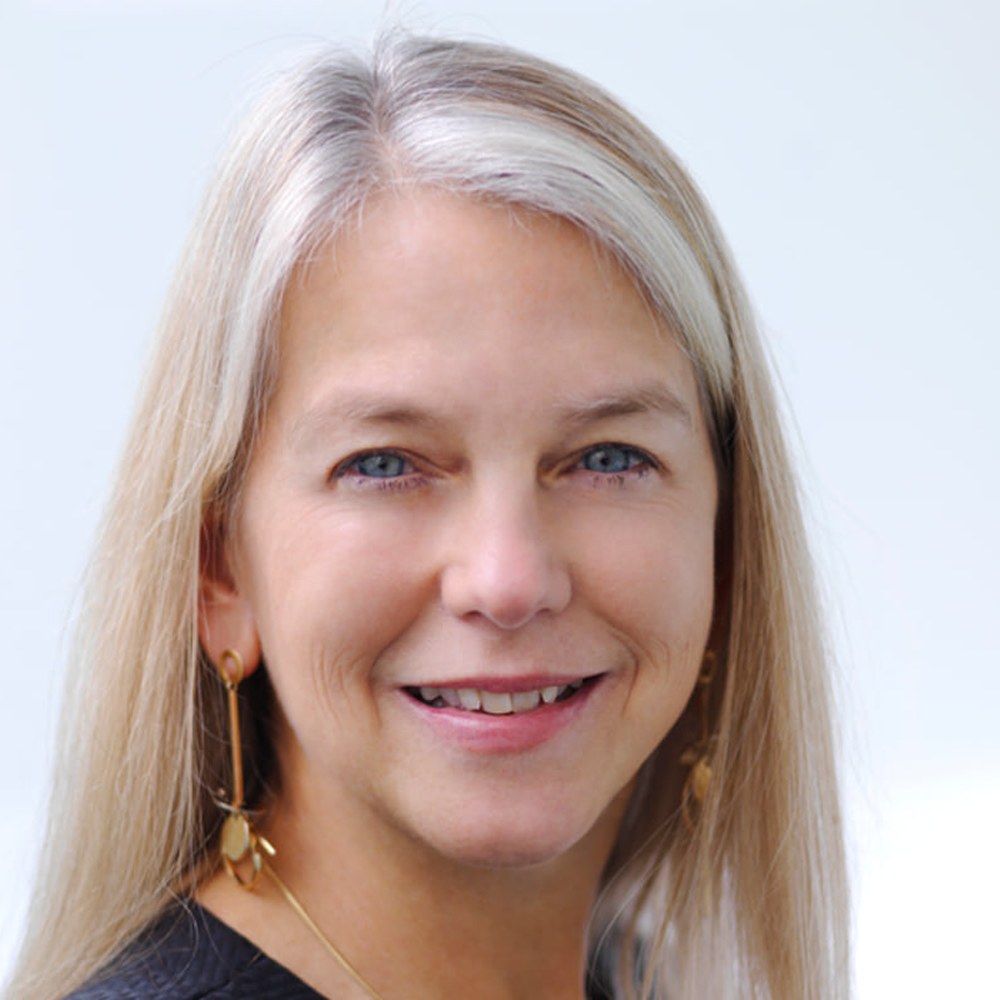
Director of the MIT Media Lab and Apollo Program Professor of Astronautics. NASA Deputy Administrator from 2015 to 2017. Her research focuses on astronaut biomechanics and next-generation spacesuits, including the close-fitting, pressure-producing BioSuit.
▶Video Coming Soon

Media Lab co-founder, senior research scientist, and head of Viral Communications. Across four decades, his work has spanned digital video, interactive television, decentralized networks, and blockchain, asking how technology can help ordinary people create and communicate.
▶Video Coming Soon
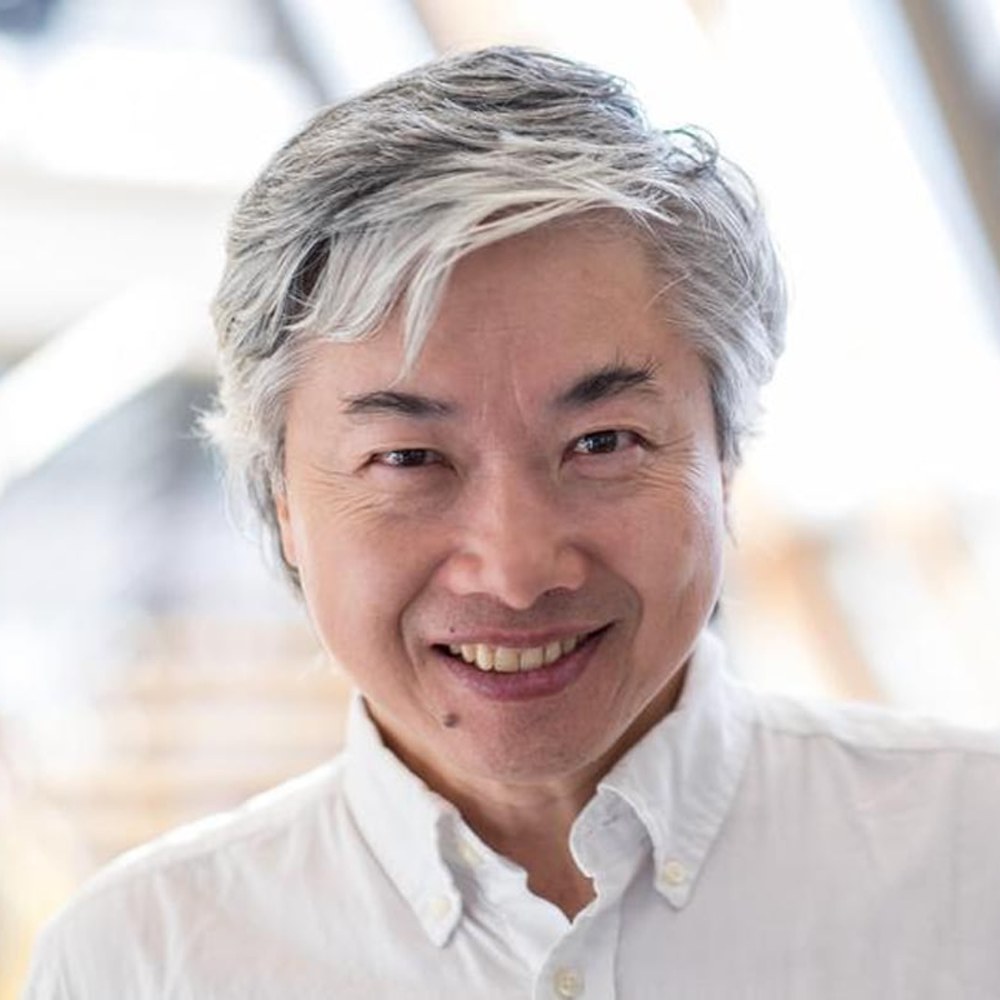
MIT research scientist and Fellow of the National Academy of Inventors. His discovery of self-assembling peptides in the 1990s pioneered peptide nanobiomaterials, with applications in tissue repair, drug delivery, and regenerative medicine. Also an Apply7 masterclass professor.
▶Video Coming Soon
Interview videos will be released over time. See “References · Interview Sources” at the end of the book for the full list.
All Interviews Coming SoonEndorsements
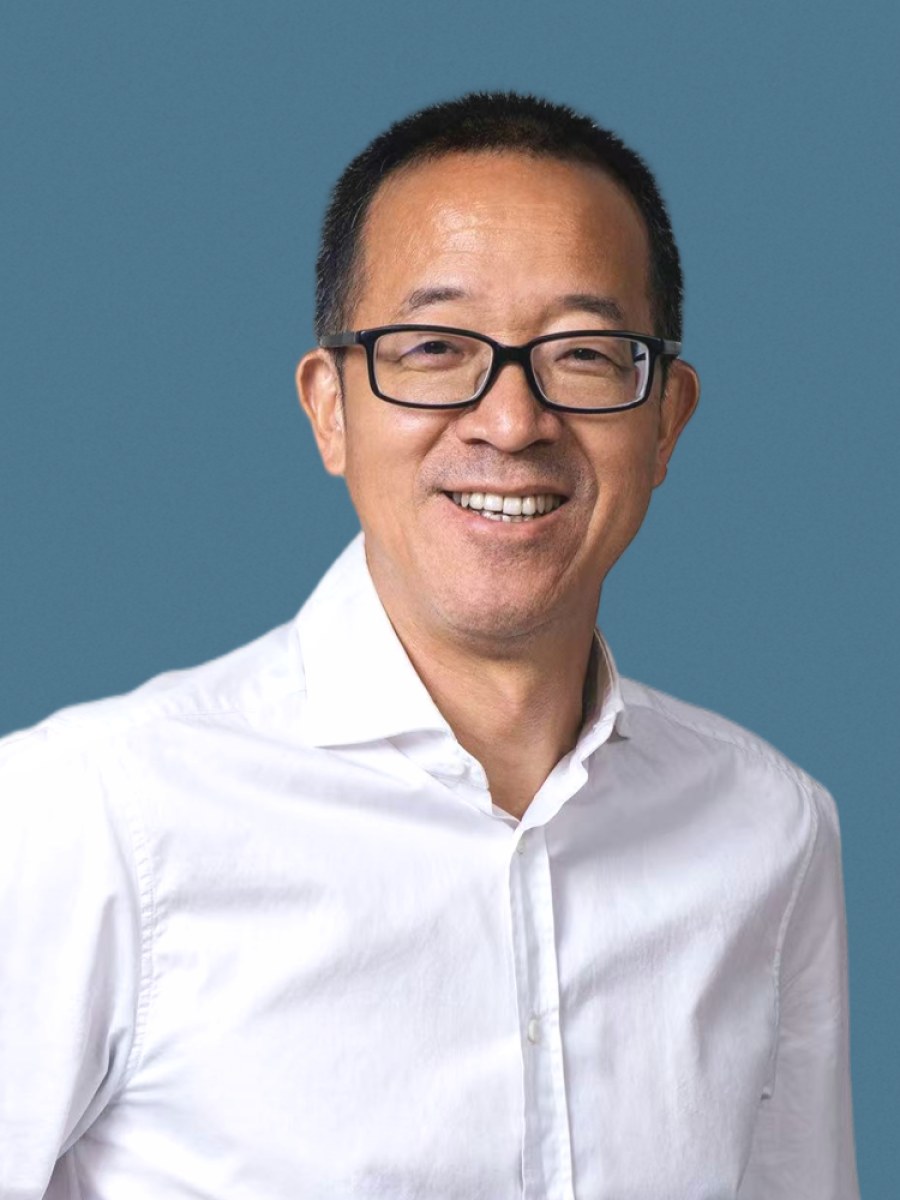
Founder and Chairman, New Oriental Education & Technology Group
In the age of AI, stop focusing only on grades and skills. This book breaks from conventional thinking to pinpoint what truly gives children an edge in the AI era, working layer by layer from cognition and learning to character. Its methods are simple and practical, helping parents protect their children's inner drive and resilience and understand where parenting is headed.
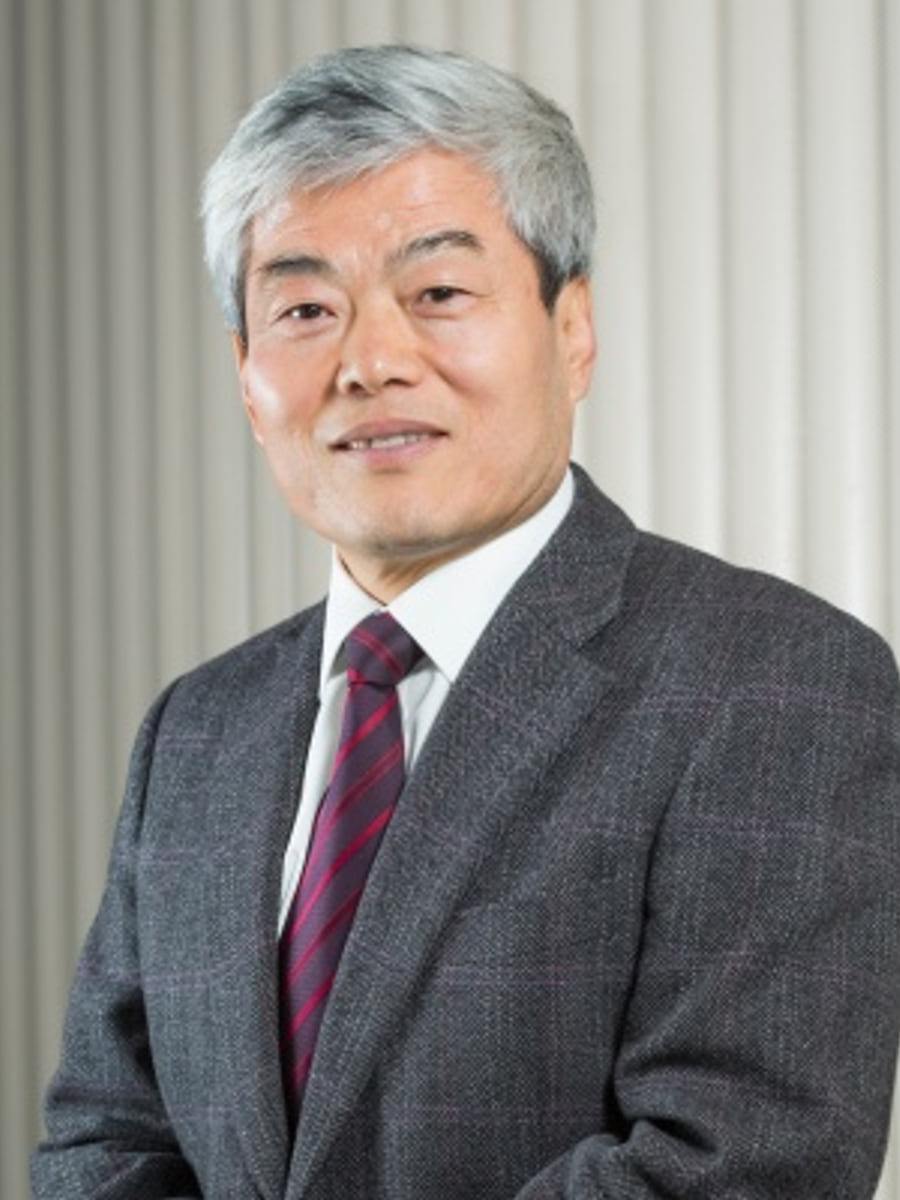
Executive President, Xi'an Jiaotong-Liverpool University · Pro-Vice-Chancellor, University of Liverpool · Senior Professor, Xi'an Jiaotong University
As AI reshapes education, Intelligent Drive addresses the central question: education should cultivate people AI cannot replace, rather than machines optimized for prediction and efficiency. Its three pillars—intrinsic motivation, judgment, and creativity—echo my own commitment to educating the whole person. Real education goes beyond competing for grades. It gives children a strong foundation of character amid technological change, so they understand both human–AI collaboration and what makes life meaningful. Drawing on his MIT perspective and 20 years of parenting, the author turns abstract ideas into a practical framework for moving from controller to coach. For anxious parents, he offers a way forward: nurture children's capacity to grow from within, and they will be ready for the future. This is both a guide to family education and a profound return to education's purpose.
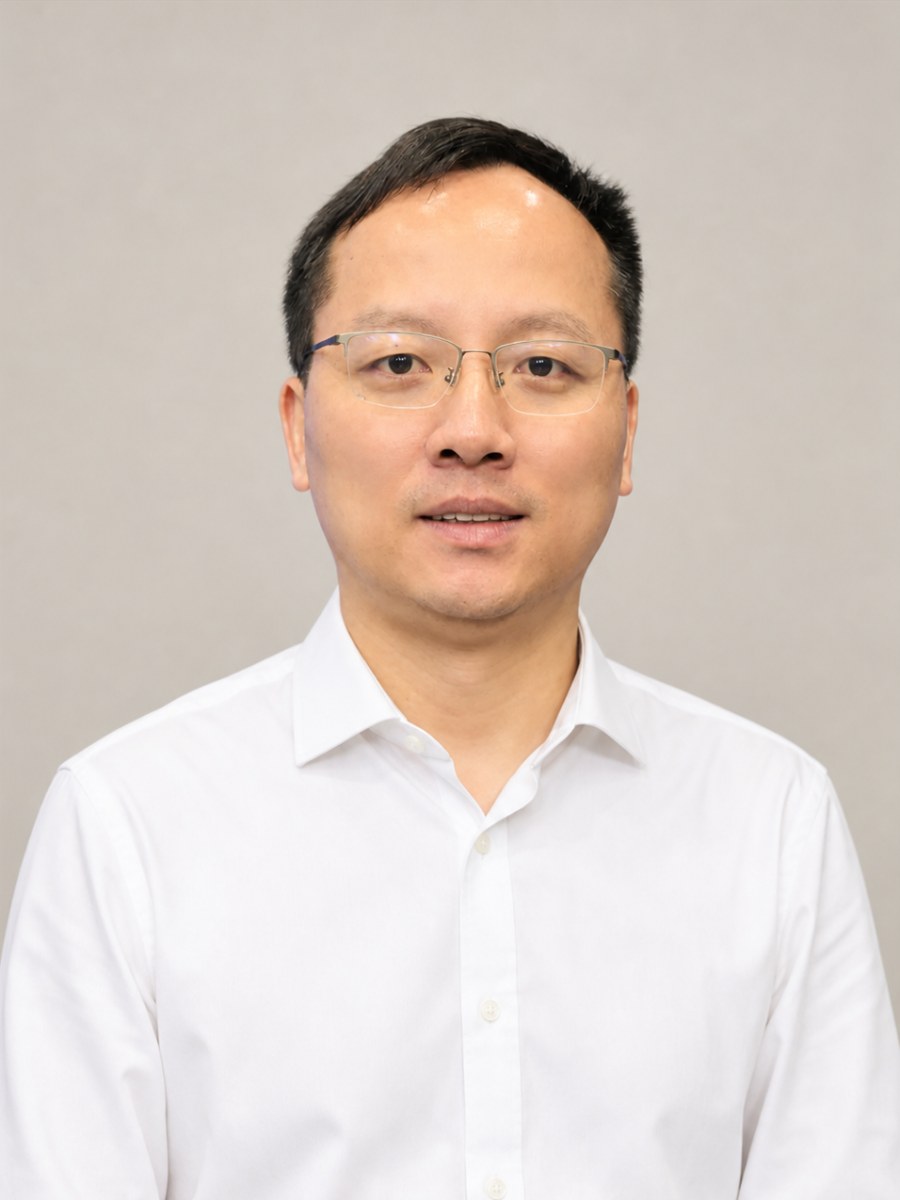
Qiushi Distinguished Professor and Dean of Undergraduate Studies, Zhejiang University · Former Working Group Lead, Ministry of Education AI Innovation Expert Group
This book shows how the warmth of family life can awaken children's interests and help them become the creative thinkers the AI age needs.
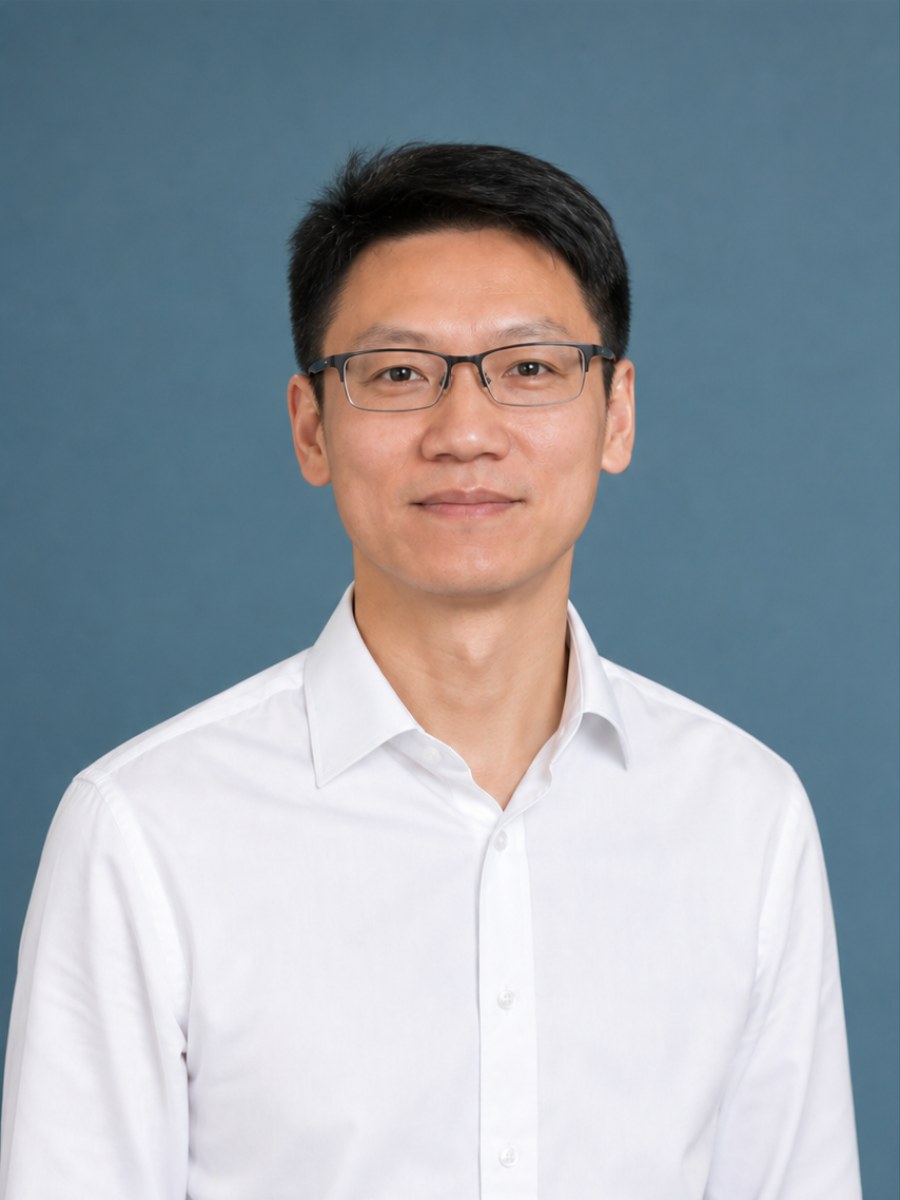
Founder, Character World
Reading Intelligent Drive, I felt education regain its human warmth amid the sweeping changes of the AI era. The author combines his studies and research at MIT, his experience as an entrepreneur, everyday life raising his children, and insights from experts across disciplines. His thoughtful examination of education's challenges and opportunities—and its purpose and direction—deeply inspired me. AI should support people, not replace them. Education must look beyond exams to nurture passion, curiosity, courage, and responsibility. Every child deserves to discover who they are and find their place in a changing world. As the book puts it: “The real goal is for children to live fully as human beings in a civilization transformed by intelligence. The force that helps them do so is Intelligent Drive.”
Explore the first two sections of Chapter 1. To keep reading, purchase the print edition.
AI is rewiring how your child thinks.
On August 10, 1997, I dragged my suitcase into the MIT Media Lab for the first time. I had no idea that I was walking not just into a building but onto a fork in the road of civilization—a fork about the meaning of intelligence. You come up out of the Kendall Square T station, turn the corner, and there it is: the Media Lab’s white building, designed by I. M. Pei. Its lines are clean and spare. Amid MIT’s brick-red and steel-gray campus it stands quiet and stubborn, like a part removed from the future and set down here early, waiting to be switched on.
Click a question to see the answer
Set aside about eight minutes for one lesson each evening. The 24 core lessons are designed to be completed over eight weeks. You can watch the 42 mini-lessons in any order—just choose the ones that address the challenges you're facing.
The course is designed for parents of children in upper elementary school through high school. The earlier you shift from pushing your child forward to helping them find their own motivation, the easier parenting can become.
An advisor can walk you through pricing and course options during your consultation.
No. You don't need to finish MindDrive before starting the course. The book explains the "why," while the course focuses on the "how." You can use them together, choosing topics based on what your child is going through.
In one call, we'll help you decide whether your child needs an assessment, a course, or a long-term mentor.
Scan to Add Us on WeChatReplies weekdays, 9 AM–9 PM Mention "Website" when adding
